
Order Fulfilment Services: The Complete UK Guide for Ecommerce Brands
This guide breaks down everything you need to know about Order Fulfilment Services - how they work, who they’re for, how much they cost, and how to choose the right partner in the UK.
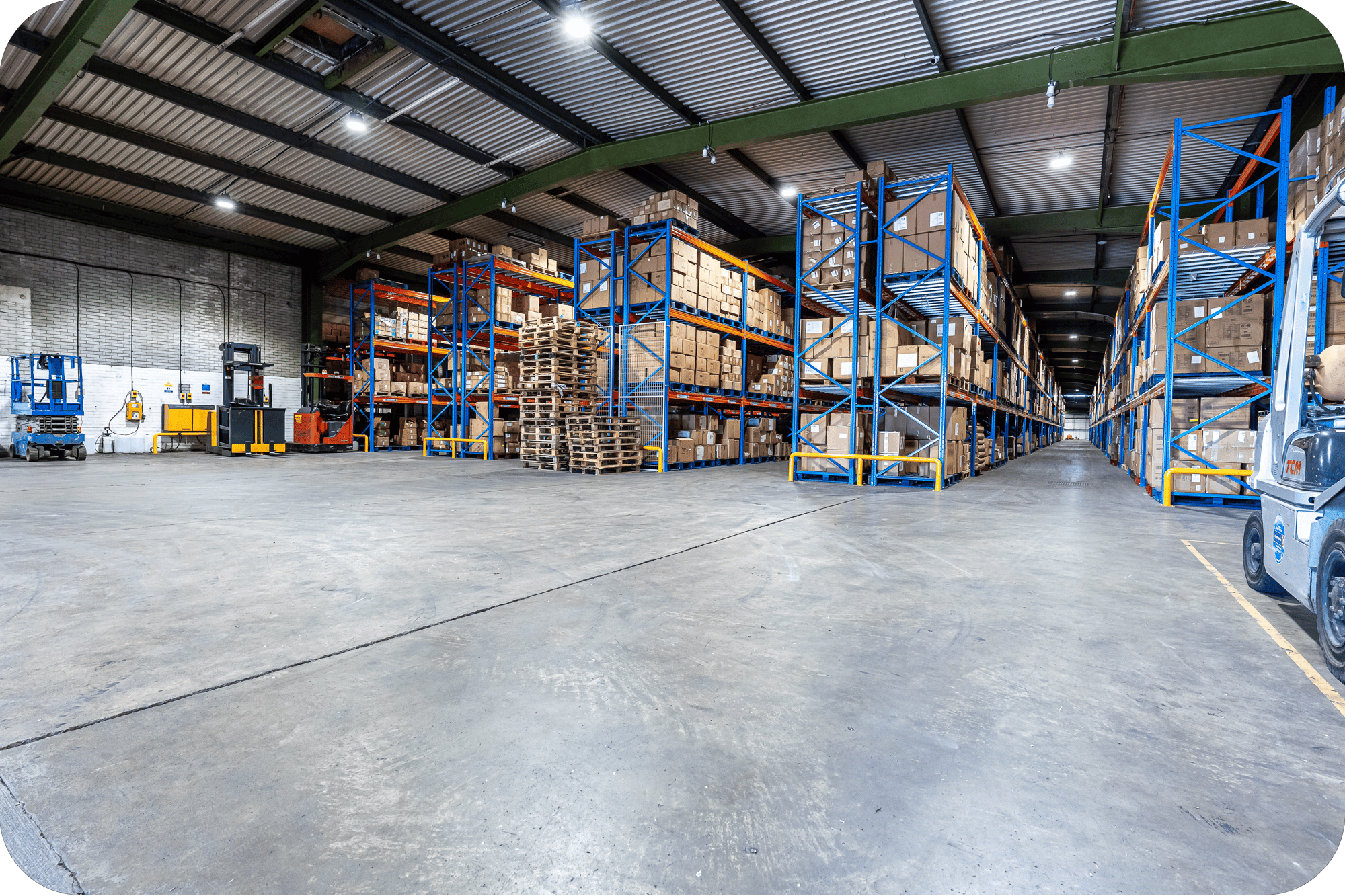
What Are Order Fulfilment Services?
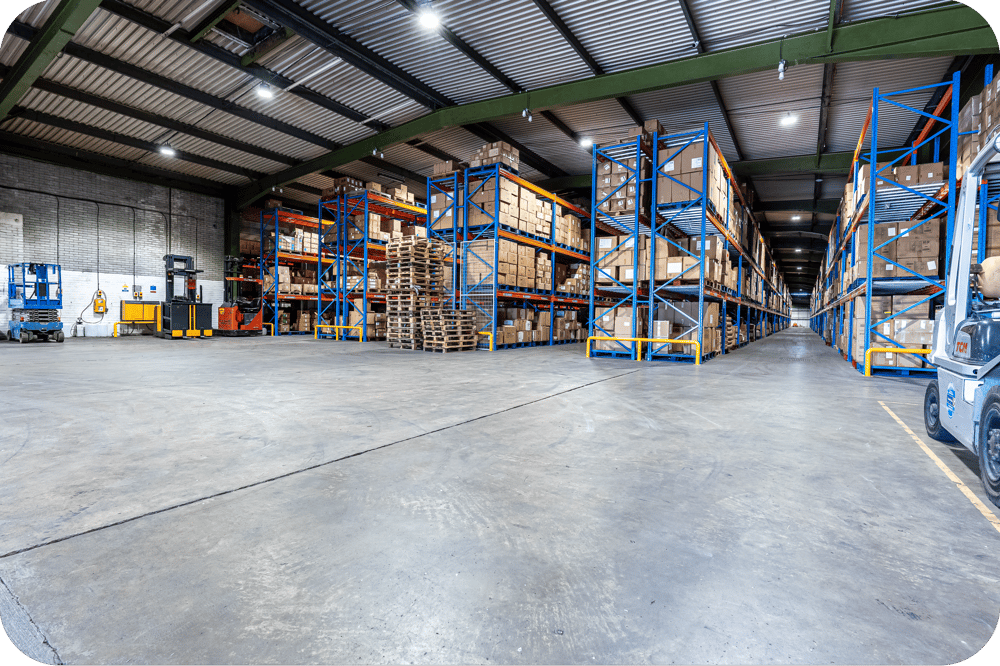
Order fulfilment services take care of everything after a customer clicks "buy" on your website.
Instead of running a warehouse or packing boxes yourself, you hand it over to a fulfilment partner. They store your stock, sync with your online store, and automatically pick, pack, and ship every order straight to your customers.
It’s a simpler way to run e-commerce. You save time, avoid hiring and training warehouse staff, and scale without the stress. Whether you’re shipping 50 orders a week or 5,000, fulfilment services grow with you, keeping deliveries fast, accurate, and hassle-free.
In practical terms, Order Fulfilment Services usually cover:
- Inventory storage, where your products are securely stored in a fulfilment centre and tracked using warehouse management systems.
- Order processing, meaning orders are automatically received from your ecommerce platforms as soon as a customer checks out.
- Picking and packing, where warehouse staff select the correct items and package them according to your requirements.
- Shipping and delivery, using UK couriers to get parcels to customers quickly and reliably.
- Returns handling, depending on the service level you choose and your requirements.
For ecommerce brands, fulfilment removes one of the most time-consuming and operationally risky parts of the business. The best part? they give you more time to focus on growing your business.
How Order Fulfilment Services Work (Step by Step)
Although fulfilment might feel complex, the process itself is very straightforward once set up. Let's take a look below:
1. Stock Is Sent to the Fulfilment Centre

You begin by sending your products to the fulfilment warehouse. This can be delivered as cartons or pallets, depending on your volume When goods arrive, they are:
- Checked against delivery notes to ensure quantities are correct.
- Scanned and booked into the warehouse management system.
- Assigned to specific storage locations so they can be picked quickly later.
This initial goods-in process is critical, as it ensures stock accuracy from day one.
2. Your Sales Channels Are Integrated
.png?width=200&height=250&name=Untitled%20design%20(25).png)
Your fulfilment provider integrates their system with your ecommerce platforms. Most UK providers support:
- Shopify and Shopify Plus
- Amazon Seller Central (FBM)
- eBay
- TikTok Shop
- WooCommerce and other platforms
Once connected, orders flow automatically into the fulfilment system without manual input. Stock levels update in real time across all channels, giving you a comprehensive overview and helping you avoid stock-outs.
3. Orders Are Picked and Packed
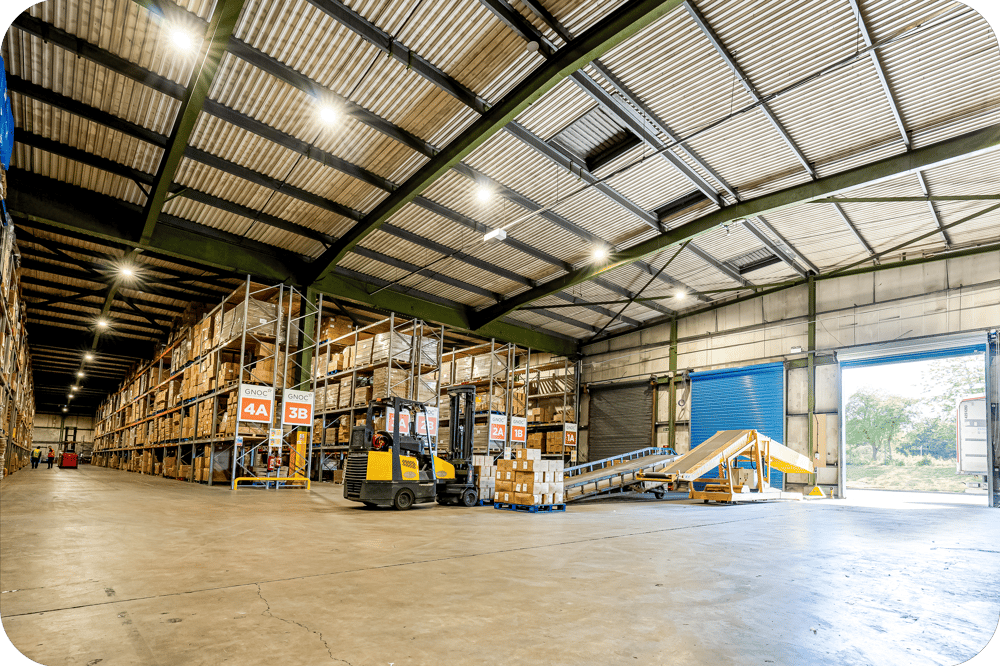
When a customer places an order, the fulfilment warehouse receives it instantly. Here, the warehouse team spring into life, and will:
- Pick the correct items from storage locations.
- Pack the order according to your packaging rules.
- Add inserts, marketing materials or branded packaging if required.
- Carry out quality checks to reduce errors.
This stage is where outsourced fulfilment really shows its value, as accuracy and speed directly impact the customer experience.
4. Orders Are Dispatched

Orders are handed over to couriers for delivery, often on the same day if received before cut-off. Most UK fulfilment centres work with multiple carriers, allowing them to choose the best service based on speed, cost and destination. Customers receive tracking details automatically, improving transparency and trust.
On top of the main services, most order fulfilment providers handle returns, in a process called reverse logistics. When items arrive back at the fulfilment centre, they're thoroughly checked and placed back into stock (if the condition meets "re-sellable" criteria). Handling returns effectively is essential when it comes to providing a first-class customer experience.
Types of Order Fulfilment Services in the UK
Not every ecommerce business needs the same type of fulfilment. UK fulfilment providers typically offer several models, and tailor their offerings to the individual needs of the client.
Ecommerce Order Fulfilment
This is the most common service and is designed for direct-to-consumer brands. It focuses on individual customer orders, fast dispatch and seamless platform integrations. It’s ideal for brands selling through their own website or marketplaces like Amazon and eBay.
Amazon Order Fulfilment (FBM Support)
Many UK fulfilment providers specialise in Amazon FBM, allowing sellers to fulfil Amazon orders outside of FBA. This gives sellers more control over branding, customer data and costs, while still meeting Amazon’s strict delivery expectations.
B2B and Wholesale Fulfilment
Some providers also support wholesale fulfilment, handling bulk orders to retailers, distributors or corporate clients. This often includes pallet shipments, compliance labelling and scheduled deliveries.
International Order Fulfilment
UK-based fulfilment can also support overseas shipping. This allows brands to ship internationally without holding stock in multiple countries, using the UK as a central hub.
Who Should Use Order Fulfilment Services?
Order Fulfilment Services aren’t just for huge brands with thousands of orders per day. They're commonly used by ecommerce businesses that have reached a point where in-house fulfilment is slowing growth rather than supporting it. They're ideal for e-commerce brands selling fast-moving consumer goods (FMCG) like fashion & apparel, pet supplies, cosmetics products, as well as health supplements, toys & games, and more.
Overall, you should consider fulfilment if:
- Daily order volumes are increasing and becoming unpredictable.
- You’re selling across multiple platforms and struggling to manage stock accurately.
- Dispatch times are slipping during busy periods.
- Storage space is becoming a problem.
- You want to focus more on marketing and growth, not packing boxes.
Many UK brands move to outsourced fulfilment earlier than expected once they realise how much time and money it saves.
Benefits of Order Fulfilment Services
The biggest benefit of Order Fulfilment Services is scalability.
Instead of building your own warehouse operation, you gain access to established systems, trained staff and courier networks. This is particularly handy for seasonal businesses, who can easily scale up and down depending on demand.
The key advantages include:
- Faster dispatch, with many providers offering same-day shipping for orders placed before cut-off.
- Reduced errors, thanks to barcode scanning and quality control processes.
- Lower shipping costs, as fulfilment centres negotiate better courier rates due to volume.
- Improved customer experience, with quicker deliveries and accurate tracking.
- Operational breathing room, freeing up time to focus on sales, branding and product development.
Order Fulfilment Vs. In-House Fulfilment
When it comes to getting your orders out the door, you have a decision to make - in-house Vs outsourced fulfilment.
In-House Fulfilment
Managing fulfilment yourself gives you full control, but it also comes with increasing complexity as you scale. When doing things in-house, you’ll need to manage: warehouse space and equipment, staffing & training, packing materials, and courier contracts. When it comes to your customers, you'll need to deal with order errors, delays, and returns.
At low volumes this can work well, but costs and stress rise quickly as demand increases. At this stage you'll be asking yourself, "do we need more staff? Do we need more space? and a plethora of logistical questions about things that get in the way of what really matters - growing your brand.
Outsourced Order Fulfilment Services
With outsourced fulfilment, these operational headaches are handled for you.
You gain access to advanced systems, automation, and infrastructure without the upfront investment. For many UK ecommerce brands, outsourced fulfilment becomes more cost-effective once volumes level out.
Platform Specific Order Fulfilment Services
Shopify Order Fulfilment
Shopify's platform integrates seamlessly with most UK fulfilment providers. Orders sync automatically, stock updates in real time, and customers receive shipping notifications without manual input. With a dedicated Shopify fulfilment service from a 3PL, you can scale quickly without hitting pause on your marketing efforts.
Amazon Order Fulfilment
Using fulfilment for Amazon FBM allows sellers to avoid long-term storage fees and retain more control over branding and customer experience.
eBay Order Fulfilment
Fast dispatch and reliable delivery are critical for maintaining strong seller metrics on eBay. Fulfilment centres eBay services make sure orders go out on time, even during peak periods.
TikTok Shop Fulfilment
Sales on TikTok shop can spike overnight - one viral product video, and you've got a surge in demand. Fulfilment services are essential for handling sudden increases in order volume without delays or errors.
B2C vs B2B Order Fulfilment Services
B2C Fulfilment
B2C fulfilment focuses on individual customer orders. Speed, accuracy and presentation are key, as customers expect fast delivery and a smooth unboxing experience.
B2B Fulfilment
B2B fulfilment involves larger, less frequent orders. These often require palletisation, specific paperwork and strict delivery schedules.
Many UK fulfilment providers offer both, allowing ecommerce brands to expand into wholesale without changing partners.
Order Fulfilment Costs in the UK
Before you consider a move to a 3PL provider, it's important o understand how order fulfilment pricing works. Services in the UK are usually priced on a usage basis rather than a fixed fee.
Costs typically include:
- Storage fees based on space used.
- Pick and pack fees per order.
- Packaging costs.
- Courier shipping charges.
The total cost depends on your order volume, product size and delivery destinations. A transparent pricing structure is essential when choosing a provider.
How to Choose the Right UK Order Fulfilment Partner
A good fulfilment partner should feel like an extension of your business - after all, your brand reputation is largely in their hands. Taking the time to choose the right partner can save significant costs and headaches later, and can be the difference when it comes to growing your brand successfully.
When comparing providers, look for:
- Clear pricing with no hidden fees.
- Strong platform integrations.
- Proven experience with your product type.
- Responsive customer support.
- UK-based warehouses with fast dispatch times.
Common Order Fulfilment Mistakes
Some of the most common mistakes ecommerce brands make include choosing based on price alone, underestimating future growth, or failing to plan for peak periods.
Avoiding these issues early can make the transition to fulfilment much smoother.
Is Outsourced Fulfilment Right for Your Business?
If fulfilment is starting to limit your growth, take up too much time, or impact customer satisfaction, outsourced Order Fulfilment Services are likely the next logical step. The goal isn’t to lose control, it’s to gain freedom to focus on what actually grows the business. This means more time spent developing your products, and more budget allocated to marketing and other growth channels.
However, it's equally important not to jump the gun. By outsourcing too early while you can still manage orders comfortably in house, you're opening your business up to unnecessary costs.
Knowing when to outsource order fulfilment is crucial, especially for growing brands.
FAQs About Order Fulfilment Services
1. What are order fulfilment services?
Order fulfilment services involve the complete process of storing, picking, packing, and shipping products on behalf of an ecommerce business. UK 3PL providers handle everything from inventory management to delivery, ensuring faster, accurate, and cost-efficient order processing.
2. How do UK order fulfilment services work?
UK order fulfilment providers receive products from your suppliers, store them in a warehouse, and manage stock levels. When a customer places an order, the 3PL picks the items, packs them securely, and ships them using your chosen carriers. Many providers also offer returns management and real-time tracking.
3. Why should I outsource order fulfilment?
Outsourcing to a UK 3PL can save time, reduce operational costs, and improve delivery speeds. Experts handle complex logistics, allowing you to focus on the things that drive growth for your business, such as sales and marketing. Outsourcing also offers scalability for seasonal peaks without the need for additional staff or warehouse space.
4. What types of businesses use order fulfilment services?
E-commerce retailers, subscription box companies, wholesalers, and even B2B suppliers use order fulfilment services. Any business looking to streamline shipping, reduce errors, and improve customer satisfaction can benefit from partnering with a 3PL.
5. How much do order fulfilment services cost in the UK?
Costs vary depending on order volume, storage requirements, operational complexity, and shipping destinations. Most UK 3PLs offer transparent pricing models including storage fees, pick-and-pack fees, and shipping charges. Requesting a quote is the best way to understand your specific costs. A trustworthy 3PL will work with potential clients to find the most cost-effective, tailored solution to their fulfilment needs.
6. Can order fulfilment services handle returns?
Yes. Many UK 3PL providers offer reverse logistics, handling returns, exchanges, and restocking. This improves customer experience and reduces the administrative burden on your business. Typically, the 3PL's warehouse team will start by checking the state of your products once they arrive back at the fulfilment centre. Next, they'll asses the condition of the products, ideally placing them back into rotation to be resold. For items that don't meet the re-sellable criteria, they will typically be placed into quarantine to ensure they're not re-picked and shipped again. Some sellers may require return items to be re-packaged, which is usually done at an additional cost.
7. How long does it take for a 3PL to fulfil an order?
Order processing times depend on the provider and service level chosen. Many UK fulfilment centres offer same-day or next-day shipping for standard orders, while more complex or bulk shipments may take longer.
8. What technology do order fulfilment services use?
Modern UK 3PLs use warehouse management systems (WMS) such as Mintsoft, automated picking tools, and inventory tracking software. Integration with e-commerce platforms like Shopify or WooCommerce ensures accurate stock levels and seamless order processing.
9. How do I choose the right UK order fulfilment provider?
When partnering with a 3PL, it's important to consider factors like location, shipping speed, pricing, technology integration, and customer service. Check if the provider has experience in your industry and the flexibility to scale as your business grows. Top providers will demonstrate what they've achieved for their current clients, so look out for case studies and testimonials their websites. Before signing up to their services, it's recommended you visit their fulfilment centre to see their operation first hand, and meet the team who will be handling your products.
10. Can small businesses benefit from order fulfilment services?
Absolutely. Small businesses can access the same logistics infrastructure as large enterprises, reduce overhead costs, and improve delivery times. Outsourcing allows small teams to focus on growth without worrying about warehousing and shipping, helping them scale faster.
11. What is the difference between order fulfilment and drop-shipping?
Order fulfilment involves storing and shipping products you own, whereas dropshipping ships products directly from the supplier to the customer. Fulfilment services provide more control over stock, quality, and branding compared to dropshipping.
12. How do order fulfilment services improve customer satisfaction?
By ensuring accurate orders, fast delivery, and easy returns, 3PL providers improve the overall customer experience. Reliable shipping and real-time tracking help build trust and repeat business, and build up positive reviews.
Final Thoughts
Order Fulfilment Services are no longer just a “nice to have” for UK ecommerce brands. They’re a driver of growth that improves customer experience and protects your sanity as order volumes grow.
If you’re serious about growth, fulfilment isn’t something to put off - it’s something to get right.
Ready to grow your Ecommerce business? Learn more about our UK Order Fulfilment Services and discover how professional fulfilment can transform your operations.